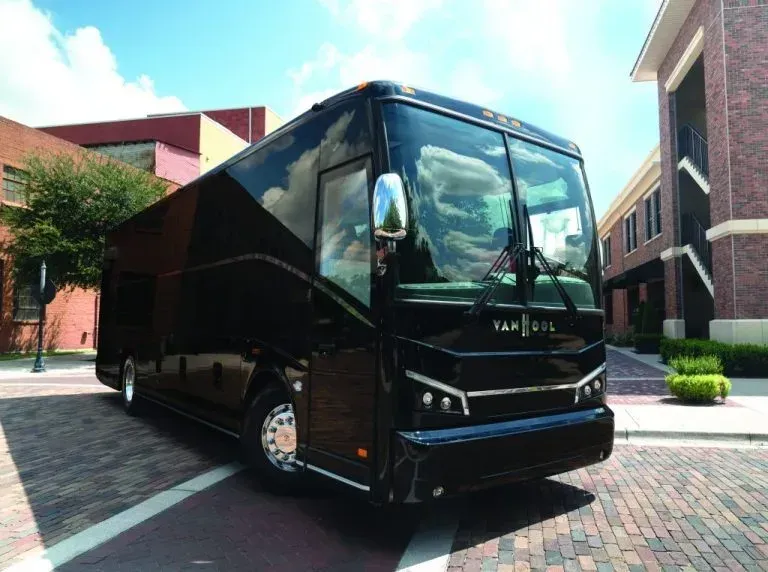
Arranging transportation for a large group can quickly grow into a complex assignment when multiple schedules, pickup logistics, and travel expectations come into play. Whether the occasion is a professional meeting, family event, social outing, or special gathering, coordinating punctual arrivals requires thoughtful organization. A structured transportation strategy helps reduce uncertainty, avoid delays, and enhance the overall experience for all travelers. Through understanding the fundamental components of transportation coordination, planners can ensure a seamless journey from beginning to completion.
When numerous travelers journey together, transportation extends beyond basic passenger movement between locations. It becomes a significant component of the entire event experience. Thoughtful planning helps support schedules, facilitate communication among passengers, and promote a smoother journey. At A1 Quality Express Limousine, we appreciate the importance of delivering organized transportation arrangements that support convenient and reliable group travel.
Plan Transportation Ahead of Time
Reliable group transportation starts with thoughtful preparation ahead of time. Leaving transportation planning too late may restrict options and complicate efforts to address specific group needs. Planners should start by identifying passenger counts, travel schedules, anticipated departure times, and destination needs. Collecting this information in advance provides a strong basis for transportation plans that align with the event schedule.
Early preparation helps organizers identify possible challenges before they create disruptions. Factors such as traffic flow, scheduling considerations, pickup logistics, and traveler accessibility needs can impact transportation planning. By addressing these details ahead of time, organizers can develop a transportation strategy that keeps the group moving efficiently. Thorough preparation often results in smoother travel experiences and fewer unexpected disruptions.
Determine the Exact Size and Needs of the Group
One of the primary aspects of group transportation planning is determining passenger numbers and specific requirements. Accurate passenger counts help ensure the appropriate vehicles are selected and prevent overcrowding or underutilized transportation resources. Organizers should determine attendance figures in advance and continue refining them as plans develop.
Apart from determining group size, attention should be given to the unique needs of participants. Certain passengers may need extra storage capacity, while others may require accessibility support or special arrangements. Considering these factors allows transportation planning to address specific passenger needs more effectively. Obtaining comprehensive details helps planners deliver greater comfort and efficiency throughout the trip.
Design a Well-Organized Transportation Schedule
A detailed transportation plan works as a reference point for everyone involved. Organizers should outline departure times, pickup locations, travel durations, arrival targets, and any planned stops along the route. A precise itinerary reduces ambiguity and helps every participant stay informed about their responsibilities. Maintaining clarity and consistency is crucial when coordinating transportation for large groups.
Strong communication is fundamental in keeping schedules functional and accurate. Each participant should be informed of transportation details ahead of time. Providing schedules through digital platforms or printed copies helps maintain awareness among participants. When expectations are clearly communicated, transportation processes become smoother and more efficient.
Designate Centralized Gathering Locations
Handling several pickup points can add unnecessary complications to large-group travel. Whenever possible, organizers should establish centralized pickup and drop-off points that are convenient for participants. Unified gathering points improve boarding efficiency and reduce unnecessary delays. It also enhances communication and increases overall operational efficiency.
Central meeting points also help ensure all travelers are accounted for prior to departure. Group leaders can verify attendance, distribute updates, and answer questions before the journey begins. This method supports preparedness and keeps transportation operations on track. Clear gathering points play a major role in creating smooth travel experiences.
Maintain Strong Communication Throughout Coordination
Strong communication is a critical factor in effective coordination of group travel. Travelers should be consistently informed about timing, pickup guidance, expectations, and updates. Providing precise details helps avoid confusion and improves readiness. Clear communication contributes to smoother operations and happier passengers.
Planners should create stable communication channels for ongoing updates. Group chats, email updates, and assigned representatives help ensure fast communication. Communication consistently serves as the unifying factor in organized transportation. Consistent updates help maintain confidence and minimize disruptions throughout the journey.
Plan for Unexpected Circumstances
Even the most organized transportation plans can experience surprises. Conditions such as weather, traffic, timing changes, and delays may demand immediate action. Flexibility within planning improves the ability to handle sudden changes. Good preparation improves resilience during unexpected changes.
Emergency planning should involve alternate communication methods, route options, and responsible contacts. Defined procedures support calm and organized reactions to unexpected issues. Early planning supports continued efficiency despite modifications.
Focus on Passenger Comfort and Convenience
Passenger comfort plays a significant role in the overall transportation experience. Groups traveling together for long periods require strong focus on comfort. Comfortable seating, structured boarding, and a well-managed environment contribute to a positive travel experience. A comfortable journey helps travelers arrive refreshed and ready.
Convenience also contributes to successful transportation coordination. Simplified boarding processes, clear instructions, and efficient scheduling reduce unnecessary complications for passengers. When transport is well organized, passengers can enjoy the event instead of stressing about logistics. A comfortable and convenient journey often enhances the overall success of the occasion.
Engage Professional Transportation Specialists
Group transportation involves multiple moving components, making professional assistance highly valuable. Expert providers are capable of click here handling schedules and coordinating group movement effectively. Their expertise helps planners manage complex logistics while maintaining organized and dependable operations.
Expert transportation teams provide insights that enhance coordination. Their expertise in group travel supports proactive problem-solving. With professional help, organizers can focus on the event while logistics are managed with precision.
Include Transportation as an Event Component
Transportation should be viewed as an extension of the event rather than simply a method of travel. Organized transportation helps passengers enjoy and engage before the event begins. Good coordination contributes positively to the event experience and creates a welcoming tone.
At A1 Quality Express Limousine, we know that successful transportation is built on planning, communication, and service excellence. Organizing large-group transportation does not need to be overwhelming when proper strategies are applied. Attention to structure and comfort ensures successful group transportation experiences. We are committed to creating reliable travel experiences that ensure passenger peace of mind.